




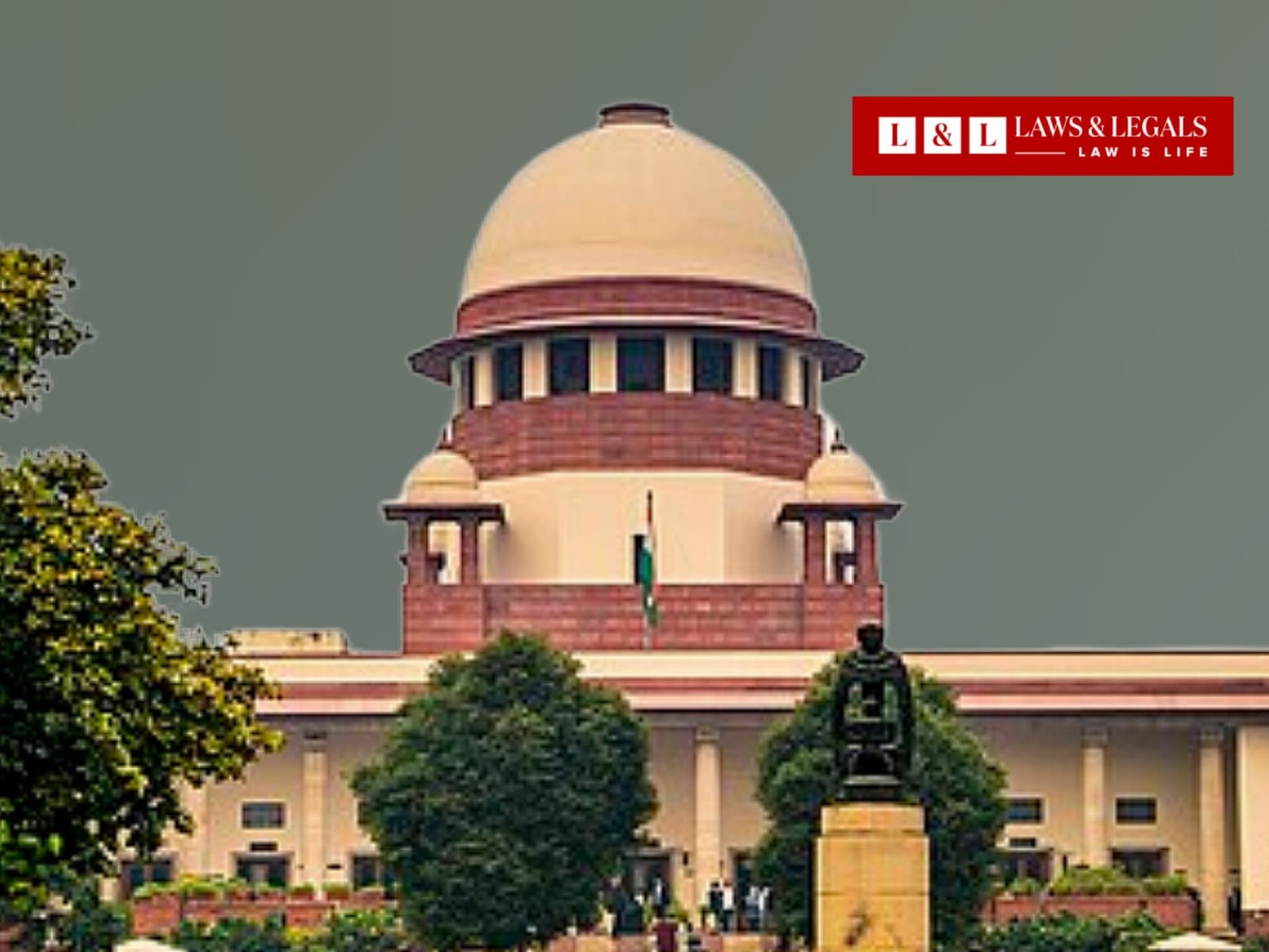
New Delhi: The Supreme Court on Wednesday ruled that existing legal provisions are adequate to address hate speech, and there is no “legislative vacuum” and the judiciary cannot step in to create new laws.
A bench of Justices Vikram Nath and Sandeep Mehta held that the power to create criminal offences and prescribe punishments rests solely with the legislature.
The court refused to issue fresh guidelines to curb hate speech, noting that current legal provisions already cover offences like promoting enmity and disturbing public order, so there is no gap in the law.
Delivering the verdict, Justice Nath said the constitutional framework, based on the principle of separation of powers, does not allow the judiciary to create new offences or widen the scope of criminal liability through its directions.
The court however made it clear that it is open to the Union and States to consider amendments if social changes require stronger provisions.
Emphasising constitutional principles, the bench reiterated that courts cannot create offences or expand criminal liability, as that would violate the doctrine of separation of powers. The judgement was passed in a batch of petition concerning hate speeches