




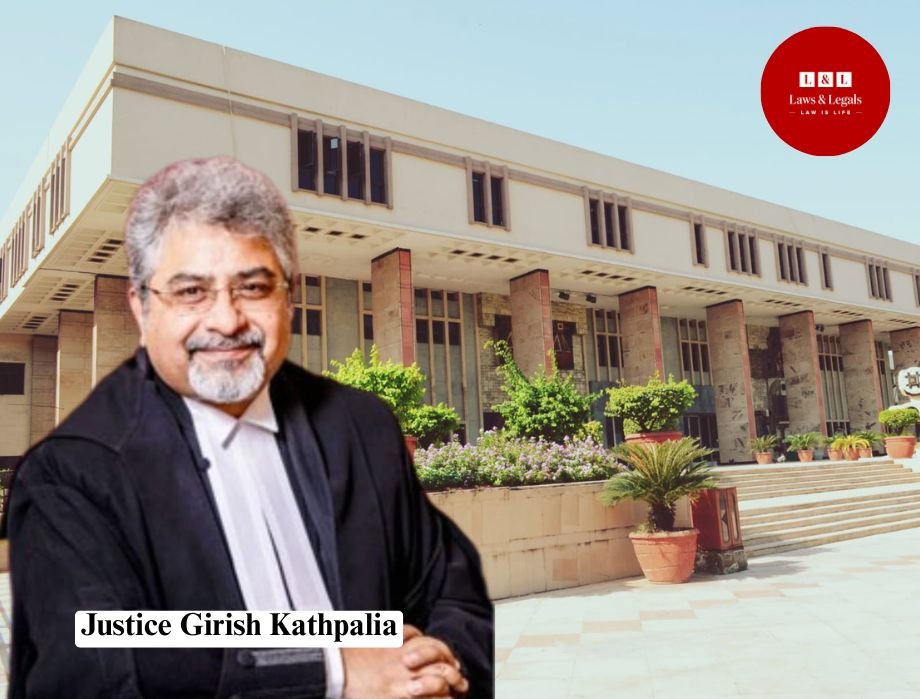
New Delhi: The Delhi High Court has taken a stern view on the rapid rise of social media and digital platforms and said, “anyone armed with a mobile phone and a microphone can proclaim themselves to be a “reporter”, often without any journalistic training, ethical grounding, or accountability.”
Justice Girish Kathpalia remarks came while observing that freedom of press must remain zealously protected but, it cannot become a shield for irresponsible journalism.
“The time has come for the legislature to consider an appropriate regulatory framework that preserves freedom of press, while ensuring professional accountability, ethical standards, and respect for the rule of law, the rights of citizens and the larger public interest,” the court said.
The court also noted that freedom of press is an indispensable pillar of every democratic society.
“However, in recent years, with rapid proliferation of social media and digital platforms, a significant section of the media has become largely unregulated and unorganized. Today, virtually anyone armed with a mobile phone and a microphone can proclaim themselves to be a “reporter”, often without any journalistic training, ethical grounding, or accountability,” the court said.
“It has become increasingly common for such self styled reporters to aggressively thrust microphones at citizens, demanding instant responses.”
When the person chooses to remain silent or refuses to comment, which is a right of every citizen, the so called reporter often turns to the camera and declares that the individual is evading questions, the court said observing such conduct creates
misleading public narrative and generates unwarranted public pressure.
“Equally disturbing is the tendency of some media actors to target or malign a particular social group through selective reporting, sensationalism or unverified allegations. Such conduct has the potential to deepen social divisions, inflame passions and, at times, even trigger communal disharmony or public disorder. The media must recognize that with the power to shape public opinion comes an implicit attendant duty to exercise restraint, fairness and responsibility,” the court said.
All these observations came while the court granted bail to two people accused of assaulting two freelancers for a YouTube channel.