




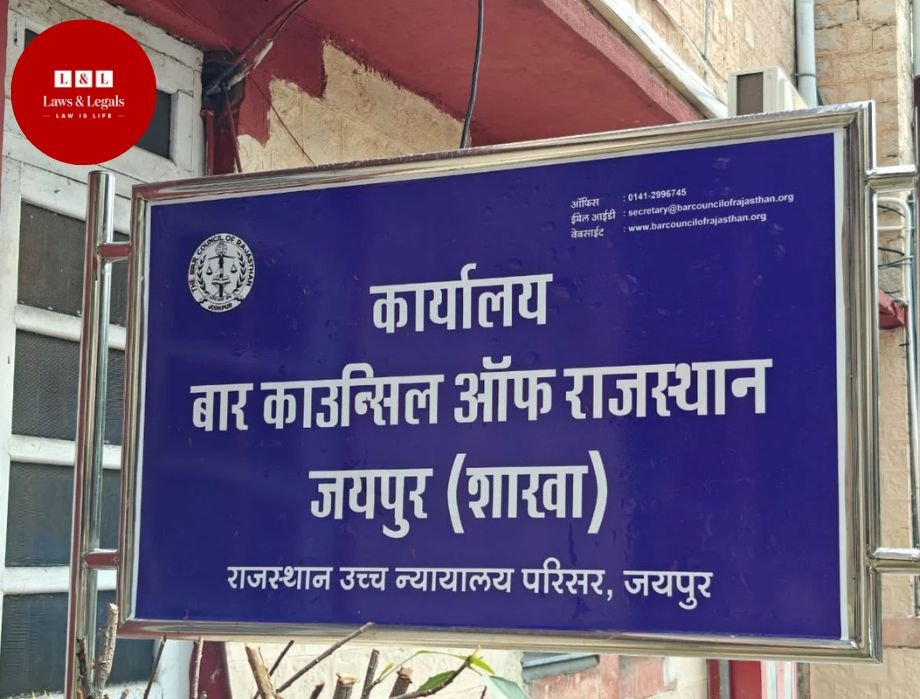
Jaipur: In a major step to regulate lawyers’ activity on social media, No Reels, No Deepfakes, No Courtroom Content, the Bar Council of Rajasthan has directed all Bar Associations across the State to strictly implement the Bar Council of India’s (BCI) Social Media Code of Conduct.
Under the new guidelines, advocates have been warned against posting or sharing reels, short videos, memes, edited clips, AI-generated content, deepfakes or any other material that misrepresents judges, courts, judicial proceedings, clients or fellow advocates. Such content, the Bar Council says, can harm the dignity of the judiciary and the legal profession.
The circular also bars advocates from recording or sharing court proceedings, virtual hearings, client meetings, chamber discussions or legal documents without proper legal permission.
Lawyers have further been told not to use their professional identity, court dress, court premises or client files for personal branding, advertisements, increasing social media followers or creating sensational online content.
At the same time, the Bar Council clarified that advocates are free to express their views on social media.
However, this freedom cannot be used to insult the judiciary, disclose confidential information, mislead the public or interfere with the administration of justice.
The Rajasthan Bar Council has asked every Bar Association in the State to ensure that these directions are followed strictly and communicated to all advocates.
Violation of the Social Media Code may lead to disciplinary action under the Advocates Act, 1961 and the Bar Council of India Rules.
The circular also states that compliance with the Social Media Code is now mandatory for law students and aspiring advocates at the time of admission, internships and enrolment, with candidates required to submit an affidavit of compliance.
Here what the new code says
Advocates cannot post or share reels, short videos, memes, edited clips, AI-generated images, deepfakes, voice clones or any fake or misleading content about judges, courts, lawyers, litigants, witnesses or court proceedings.
Advocates are prohibited from recording, photographing or sharing court proceedings, virtual hearings, client meetings, chamber discussions, legal documents, case strategies or mediation proceedings without legal permission.
Lawyers cannot use their court dress, professional identity, court premises, law firms or client files for advertising, personal branding, gaining social media followers or creating sensational content.
The Bar Council clarified that advocates are free to express their views, but they must not use social media to insult the judiciary, breach confidentiality, misuse their professional identity, mislead the public or interfere with the administration of justice.
Violation of the Social Media Code may lead to disciplinary action under the Advocates Act, 1961, the Bar Council of India Rules and other applicable laws