






‘Being In-Charge Means Being Accountable’
Jaipur: The Rajasthan High Court has delivered an important ruling on the responsibility of a doctor in charge of a government dispensary.
The Court has made it clear that being in charge of a government dispensary is not limited to treating patients. The officer in charge is also responsible for supervising the records and ensuring that the required information is properly recorded.
The High Court made these observations while hearing a case involving irregularities in the records of a government Ayurvedic dispensary. The Court refused to give relief to the doctor and upheld the punishment of compulsory retirement.
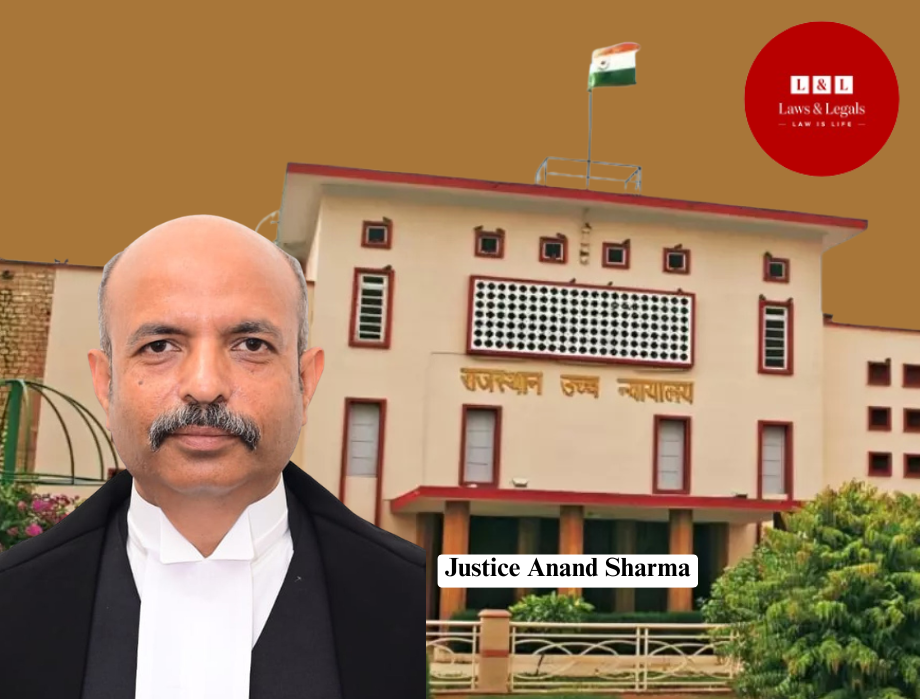
Justice Anand Sharma dismissed the doctor’s petition challenging the departmental action taken against him.
Case Related to Medical and Fitness Certificates
The case was related to medical and fitness certificates issued to an employee.
The doctor was posted as the in-charge of the Government Ayurvedic Dispensary at Kishanpur, Berath. During the departmental inquiry, he was accused of issuing around 24 certificates relating to the employee’s illness and fitness over a period of nearly two years.
However, the required entries related to these certificates were not found in the dispensary’s records.
The department considered the irregularity serious and initiated disciplinary proceedings against the doctor. He was subsequently awarded the punishment of compulsory retirement.
Doctor Said Register Entry Was Compounder’s Responsibility
The doctor challenged the departmental action before the High Court.
He argued that the allegations against him were not related to his authority to issue the certificates or his medical qualifications.
According to the doctor, the dispute was only about the certificates not being entered in the dispensary register.
He said that the subordinate compounder was responsible for making these entries, and therefore he should not be held responsible for the compounder’s mistake.
HC Says In-Charge Officer Cannot Escape Responsibility
The High Court rejected the doctor’s argument.
The Court said that the doctor was the in-charge of the dispensary, and therefore he was responsible for supervising the records maintained there.
The Court observed that simply assigning a particular task to a subordinate employee does not end the responsibility of the officer in charge.
If the subordinate employee failed to perform the duty properly, the officer in charge was expected to notice the failure and take necessary action.
Why Was No Action Taken Against Compounder?
The High Court also noted that there was no evidence showing that the doctor had ever taken action against the compounder for allegedly failing to maintain the records.
There was no record of any show-cause notice or other action being taken against the subordinate employee.
The Court said that if the doctor’s claim was that the compounder was responsible for the entries, then he should have taken action when the compounder failed to perform that duty.
HC Upholds Compulsory Retirement
The High Court found no reason to interfere with the departmental proceedings or the punishment imposed on the doctor.
The Court held that the doctor, being the in-charge of the dispensary, could not escape his responsibility simply by saying that the record entries were the duty of a subordinate employee.
The petition was dismissed and the punishment of compulsory retirement was upheld.