




Justice P.S. Bhati Hails Ladakh Bench as a Historic Milestone, Calls It a Tribute to the Resilience of Ladakh’s People
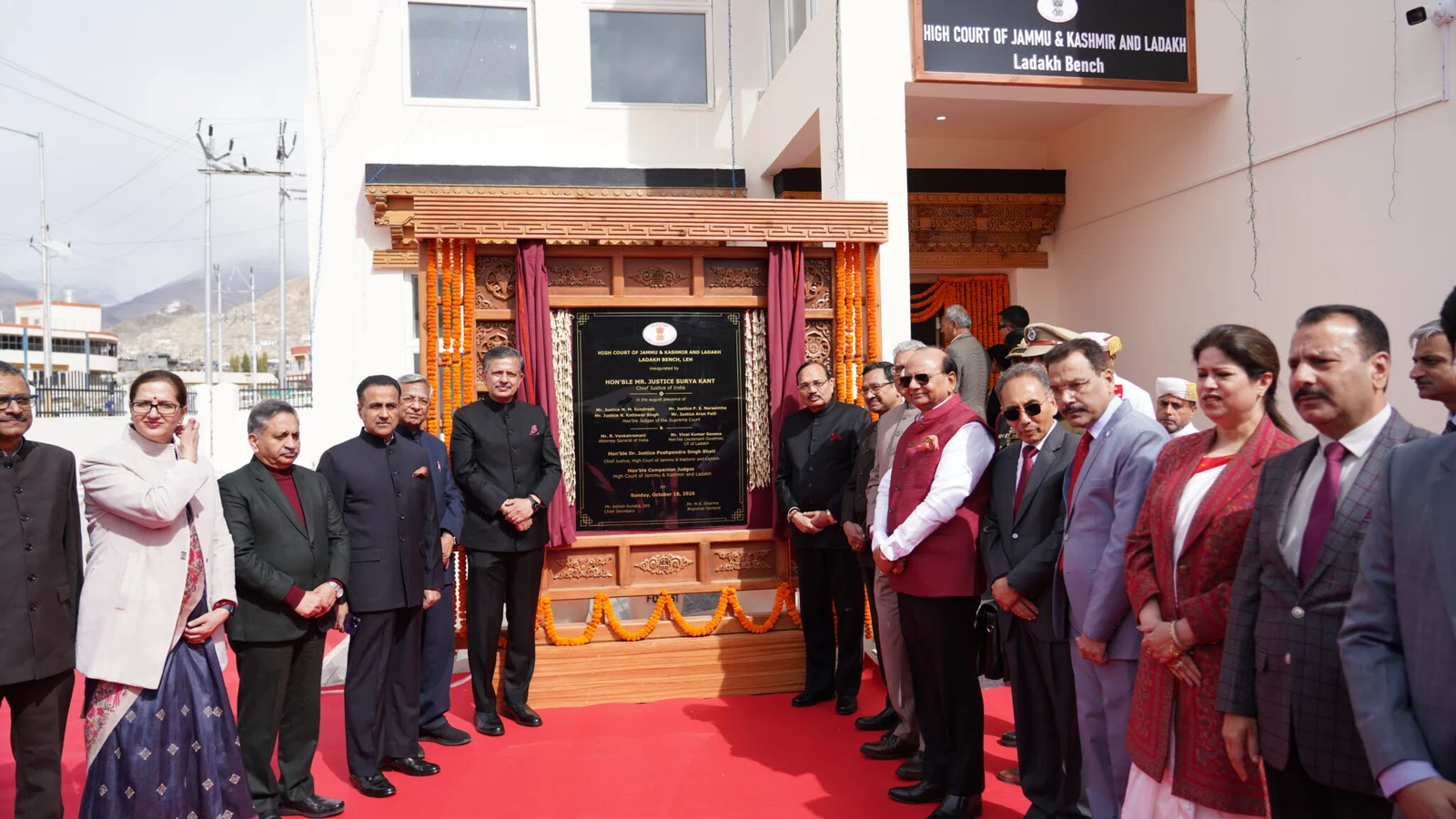
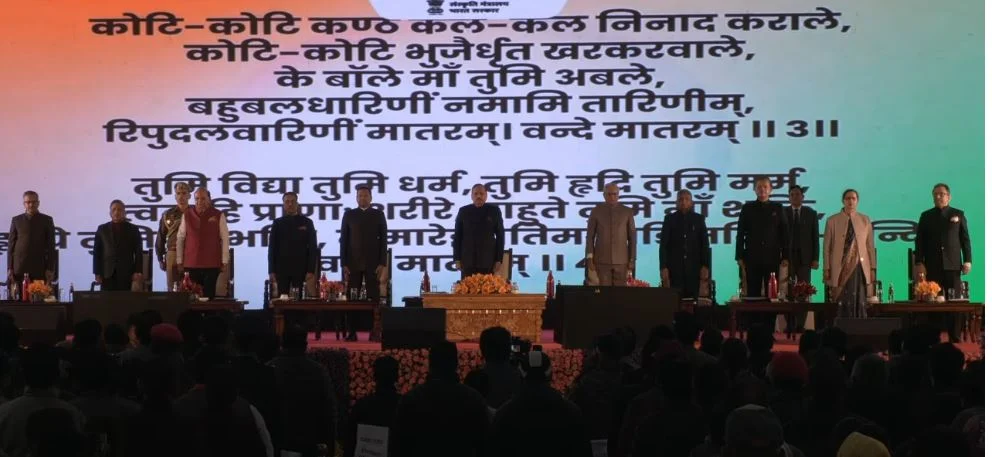
Leh: Chief Justice of India (CJI) Justice Surya Kant inaugurated the Ladakh Bench of the Jammu and Kashmir and Ladakh High Court at Melangthang in Leh on Sunday, marking a significant step towards improving access to justice in the Union Territory. During the ceremony, the CJI announced that once adequate video-conferencing facilities are available, the Supreme Court will list all cases originating from Ladakh on a dedicated day and facilitate hearings through video conferencing.
The initiative aims to enable advocates from the Leh and Kargil Bar Associations to argue cases before the Supreme Court without having to travel to Delhi. It is also expected to reduce the travel expenses, time and logistical difficulties faced by litigants from the remote Himalayan region.
The inauguration ceremony was attended by several prominent members of the judiciary, including Supreme Court Justices M.M. Sundresh, P.S. Narasimha and Arun Palli, along with Chief Justice of the Jammu and Kashmir and Ladakh High Court Justice Dr. Pushpendra Singh Bhati, Attorney General of India R. Venkataramani and Ladakh Lieutenant Governor Vinai Kumar Saxena.
CJI Emphasises Access to Justice for Ladakh’s Residents
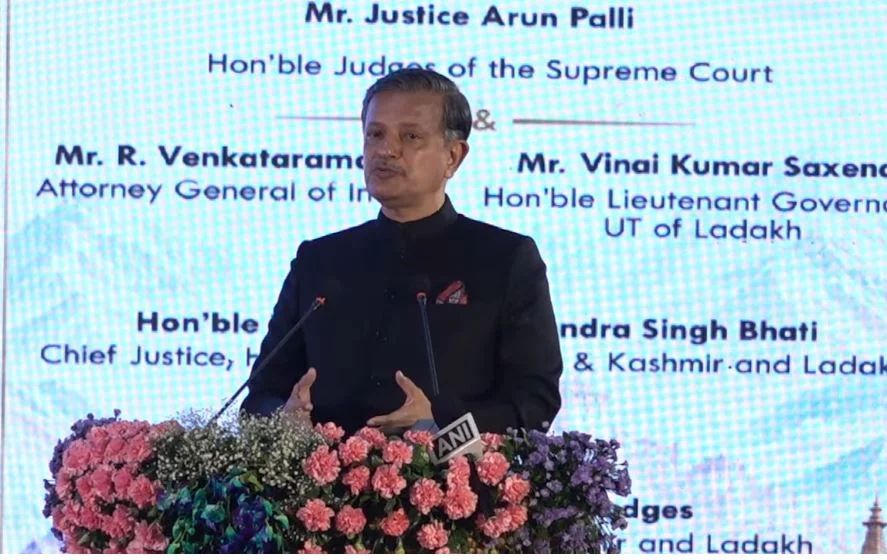
Addressing the gathering, CJI Justice Surya Kant highlighted the geographical challenges faced by residents of Ladakh in accessing the High Court. He observed that although the region became a Union Territory in 2019 and Ladakh was included in the name of the High Court, geographical distance continued to create practical barriers to justice.
The CJI noted that the High Court had served the region for nearly a century while remaining on the other side of the Great Himalayas. During winter, difficult weather conditions often made air travel the only practical means of reaching the court.
He referred to the difficulties faced by widows seeking pension benefits, mothers seeking the return of their children and senior citizens pursuing insurance claims. For many litigants, travel expenses could exceed advocates’ fees, making access to justice financially difficult or even impossible.
Emphasising the significance of the new Bench, he said the High Court had now come to Ladakh rather than expecting residents to cross difficult mountain passes to reach it. He stressed that the success of judicial institutions must be measured by how effectively they serve ordinary citizens.

Supreme Court to Provide Dedicated Hearing Day for Ladakh Cases
The CJI announced that the Supreme Court would dedicate a single day to listing cases from Ladakh once sufficient video-conferencing facilities were established for advocates in the region.
Under the proposed arrangement, lawyers from Leh and Kargil would be able to present their arguments before the Supreme Court remotely, reducing the need to travel to the national capital.
The initiative is expected to benefit litigants who face financial, physical or geographical difficulties in undertaking long journeys. It also aims to ensure that Ladakh’s geographical remoteness does not become an obstacle between its residents and the country’s highest court.
The CJI emphasised that the new arrangement should benefit the entire Union Territory, including Kargil, and not remain limited to Leh.
Justice P.S. Bhati Calls Ladakh Bench a Historic Achievement
Chief Justice of the Jammu and Kashmir and Ladakh High Court Justice Dr. Pushpendra Singh Bhati described the establishment of the Ladakh Bench as a historic achievement and a matter of national pride.
Addressing the inauguration ceremony, Justice Bhati said the establishment of a constitutional court in the high, snow-covered Himalayan region was not merely an institutional milestone. It also represented recognition of the resilience, perseverance, struggle and hard work of Ladakh’s people.
He described the Bench as a significant milestone in the development of the judicial system and highlighted the importance of establishing judicial institutions in geographically challenging regions.
Justice Bhati also acknowledged the collective efforts of former Chief Justices, senior judicial officers, the administration, members of the Bar, security personnel and representatives of religious and social organisations in strengthening the region’s judicial infrastructure.
He recalled the contributions of former Chief Justices and other judicial officers who had helped advance the judicial system in Jammu and Kashmir and Ladakh, noting that institutional development was the result of sustained efforts across generations.
Technology to Bring Courts Closer to Remote Villages
The CJI stressed that establishing the High Court Bench was only the beginning of a broader effort to improve access to justice. He highlighted the need to use technology to make judicial processes more accessible to residents of remote villages.
He referred to the potential of electronic filing, video conferencing and mobile notifications to help litigants access case information, learn about hearing dates and participate in proceedings without repeatedly travelling long distances.
However, he cautioned that technology should not create new barriers for people who lack digital literacy or access to computers. E-service centres and other assistance facilities must therefore be strengthened to help such citizens use digital judicial services.
The objective, he indicated, should be to enable people to access essential court services while remaining in their own communities.
CJI Calls for Stronger Legal Aid and Awareness Programmes
Justice Surya Kant also emphasised that access to justice extends beyond the physical availability of courts and technological facilities. Legal awareness and assistance are equally important in ensuring that people understand their rights and can effectively pursue legal remedies.
He called for legal awareness camps in villages, a stronger role for para-legal volunteers and wider access to free legal representation for eligible people.
He also highlighted the importance of Lok Adalats in resolving disputes and ensuring timely compensation for victims of crime.
The High Court Legal Services Committee and the Ladakh Legal Services Authority, he said, should work together to reach people who continue to wait for justice.
Emphasising the principle underlying these initiatives, the CJI said access to justice should begin at the litigant’s doorstep rather than only at the court premises.
New Opportunities for Local Advocates and Future Judges
The establishment of the Ladakh Bench is also expected to strengthen the local legal profession by creating more opportunities for advocates to participate in judicial proceedings closer to home.
Justice Surya Kant expressed hope that the development would encourage a new generation of legal professionals from the region and help talented individuals pursue careers in the judiciary.
He also referred to the inauguration of new district court complexes in Leh and Kargil in March, describing these developments as part of continuing efforts to bring judicial institutions closer to the people of Ladakh.
Justice Bhati similarly stressed that the true success of judicial infrastructure would depend on the benefits it delivers to ordinary citizens and the confidence it creates in the justice system.
Presidential Regulation Enabled Establishment of Ladakh Bench
The inauguration followed the issuance of a regulation by the President of India on August 28, 2026, permitting the establishment of a circuit Bench in Ladakh.
The inauguration marks an important institutional development for the Union Territory, where difficult terrain, severe winter conditions and long travel distances have historically affected access to judicial remedies.
With the new Bench and the proposed dedicated Supreme Court hearing day through video conferencing, the judiciary aims to address these challenges through improved institutional access, technological facilities and legal assistance.
The development is expected to benefit residents of both Leh and Kargil, while strengthening the principle that geographical remoteness should not prevent citizens from seeking justice.