


Court says no mini-trial at charge stage; ACB material prima facie supports allegations of misappropriation of government funds
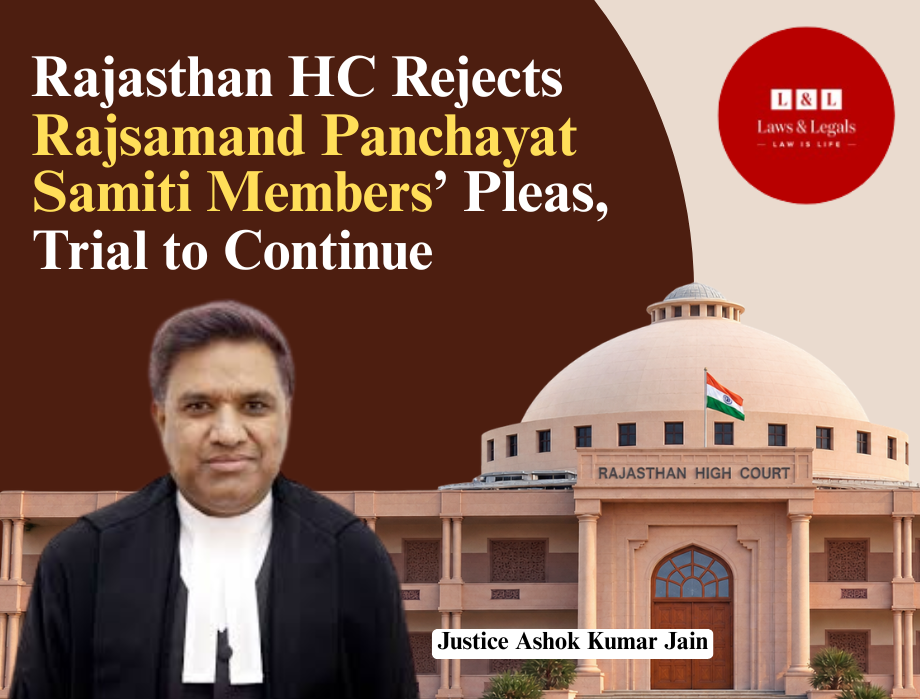
Jodhpur: The Rajasthan High Court has refused to interfere in the trial court process against two former Panchayat Samiti members accused of misappropriating government funds meant for rural development schemes in Rajsamand district.
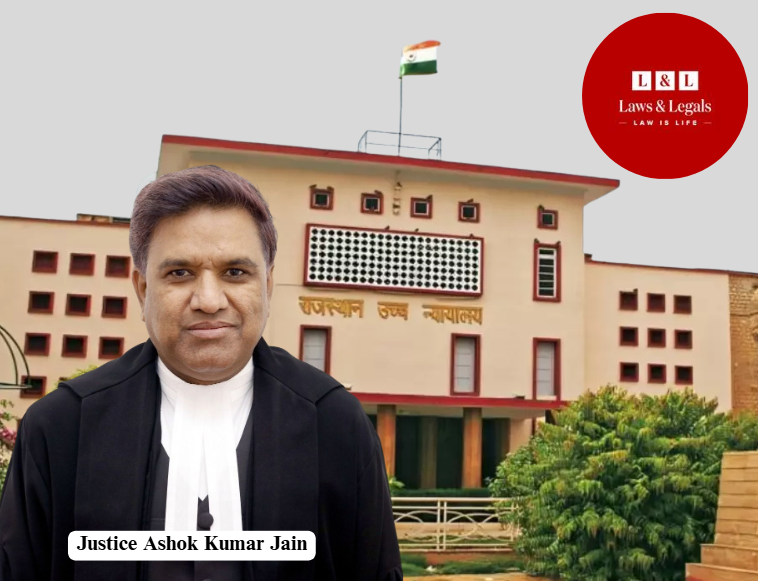
Justice Ashok Kumar Jain dismissed the criminal revision petitions filed by Ramesh Chandra Ranka and Bheem Raj Ranka, who had challenged the trial court’s decision to frame charges against them.
The High Court found no illegality or serious error in the trial court’s order and held that the material collected by the Anti-Corruption Bureau (ACB) was sufficient, at this stage, to proceed against the accused.
Misappropriation Through Fake Vouchers
The case relates to the implementation of Integrated Rural Development Schemes, which were intended to provide financial assistance to people living below the poverty line.
According to the ACB investigation, government funds were allegedly withdrawn using fake vouchers, resulting in their alleged misappropriation.
The investigation also found alleged irregularities in the verification process while looking into the transactions of different bank and societies.
The ACB registered an FIR at Jaipur. After completing its investigation, the agency filed a chargesheet before the Special Court dealing with Prevention of Corruption Act cases at Rajsamand.
Charges framed under corruption and cheating provisions
The trial court framed charges upon which the accused approached the High Court, arguing that the chargesheet did not clearly show any specific act or direct role played by them in the alleged fraud.
Both the accused claimed that there was no direct evidence connecting him with the preparation of forged documents.
No ‘mini-trial’ while framing charges
The High Court rejected these arguments, making it clear that the stage of framing charges is not the stage for deciding whether the prosecution will ultimately prove its case.
The Court said it only has to examine whether the material collected during the investigation raises a prima facie case against the accused.
At this stage, the court cannot conduct a detailed examination of the evidence or decide whether the witnesses are ultimately reliable. The defence of the accused is also not required to be examined in detail.
Trial to continue
The Court noted that the ACB had investigated the alleged role of both petitioners, recorded witness statements and collected other material before filing the chargesheet.
Finding no illegality or perversity in the trial court’s order, the High Court dismissed both revision petitions and held that the trial will continue against them.