





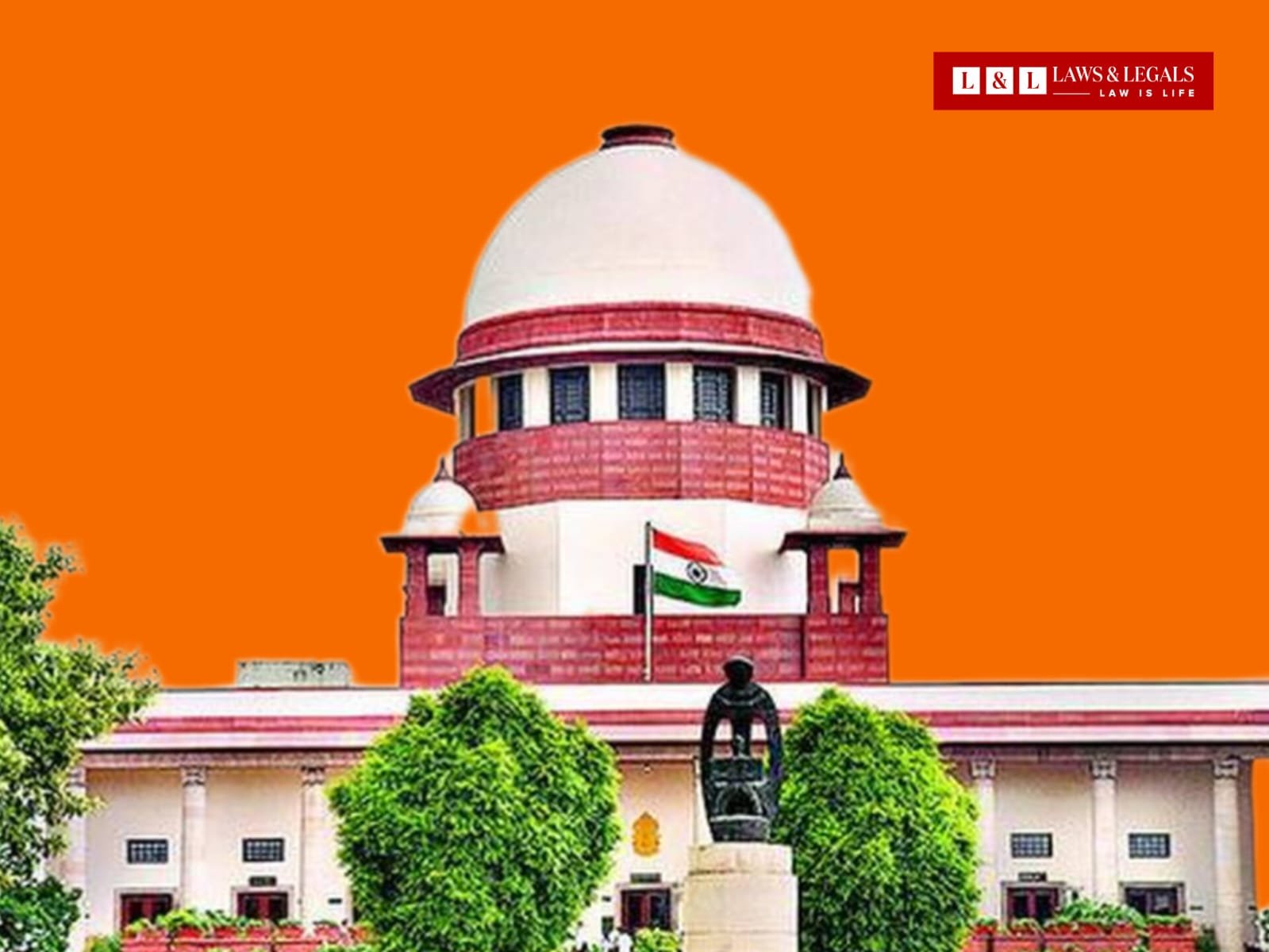
New Delhi: The Supreme Court of India has made it clear that providing free legal assistance to poor, helpless, and imprisoned individuals cannot be treated as a mere formality. It is a fundamental right — and courts must honour it meaningfully.
The bench of Justice Dipankar Datta and Justice Satish Chandra Sharma delivered this landmark ruling while hearing the case of Nandkishore Mishra, a 70-year-old man from Madhya Pradesh who had been sentenced to life imprisonment for murder. He had been lodged in a correctional facility since October 2020.
When his appeal reached the Madhya Pradesh High Court, an amicus curiae (a court-appointed lawyer) was assigned to assist him. However, the case was disposed of within just six days — so fast that the appointed lawyer never even got a chance to meet Mishra. Worse, Mishra was never informed about what had happened in his own case.
The Supreme Court was firm: no matter how eager a court may be to clear its docket, an elderly prisoner has every right to know who is fighting for him and to have his side of the story heard. Simply appointing a lawyer on paper is not enough. That lawyer must actually meet the accused, understand the case, and prepare a proper defence.
The court laid down two clear principles — the legal aid lawyer must personally meet the accused, and enough time must be given to build the case before hearings proceed.
The court also directed that whenever bail or an appeal is rejected, a cover sheet must be attached to the order, informing the accused of their right to approach a higher court and seek free legal aid.
On the issue of elderly prisoners, the court stressed that cases involving senior citizens must be fast-tracked and resolved within two to three months. In Mishra’s case specifically, it directed the High Court to conduct a fresh, fair hearing within two months.
The message from the Supreme Court is simple and powerful: justice delayed is justice denied — but justice done without proper representation is no justice at all.