







Jaipur: In a significant ruling reinforcing the sanctity of statutory town planning, the Rajasthan High Court has held that a Master Plan prepared under the planning statutes is a statutory instrument having binding force upon all authorities and citizens alike, and no authority can permit land conversion or issue pattas contrary to it.
The Court held any action in contravention to the Master Plan is illegal and liable to be set aside.
The judgment came in a writ petition filed by Vikas Modi, who challenged the cancellation of his patta under Section 73-B of the Rajasthan Municipalities Act, 2009, and the order declaring the land conversion proceedings under Section 90-A of the Rajasthan Land Revenue Act, 1956 as void ab initio.
He claimed to be a bona fide purchaser and argued that the authorities could not revoke the patta after granting conversion.
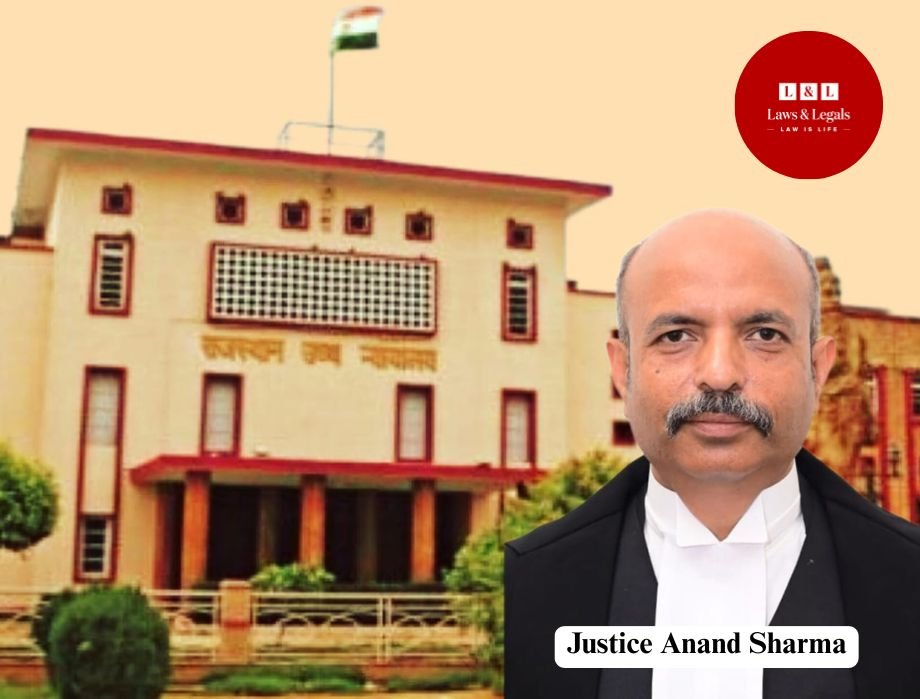
Dismissing the petition, Justice Anand Sharma held that once the land was notified as Green Belt under the Master Plan-2031, the legal consequences were unavoidable and every authority dealing with land use was bound to act strictly in accordance with the Master Plan.
The Court observed that the object of earmarking land as Green Belt is to preserve ecological balance, maintain environmental sustainability, prevent unregulated urban spread and secure planned development of urban areas.
Permitting residential or commercial use of such land, it said, would defeat the very object of the planning legislation.
Holding that the Section 90-A conversion order was contrary to the Master Plan, the Court declared it void and unenforceable in law. Consequently, all pattas issued on the basis of the illegal conversion also collapsed, as they could not acquire any independent legal status.
The High Court further held that a registered document could not sanctify an action which was void at its inception, adding that a transferee can acquire no better title than that possessed by the transferor. It also rejected the plea of bona fide purchaser, observing that estoppel cannot operate against a statute.
Rejecting the petitioner’s reliance on Article 300-A, the Court held that constitutional protection does not extend to rights created in violation of law and upheld the cancellation of the patta.
Expressing “grave concern” over the conduct of officials who approved the illegal conversion, the Court directed the Principal Secretary, Local Self Government Department, in coordination with the Department of Personnel, to identify the officers involved, initiate departmental enquiries after giving them an opportunity of hearing, and submit a compliance report before the High Court within three months.
The writ petition was accordingly dismissed.