





Jaipur: The Rajasthan High Court has refused to cancel land rights granted over six decades ago, holding that mere suspicion cannot replace evidence. The Court ruled that simply because a landholder’s father was a Patwari does not mean he misused his position to obtain the land.
The dispute concerned about 91 bighas of agricultural land in Village Phutolao, Jaipur. In 1961, Madan Lal was granted khatedari rights. More than 40 years later, based on the recommendations of the Justice B.P. Beri Commission, the State cancelled the mutation, claiming that Madan Lal was only 10 years old at the time and that his father, a Patwari, had influenced the revenue authorities.
However, the Revenue Appellate Authority and the Board of Revenue restored the land rights, after which the State challenged their orders before the High Court.
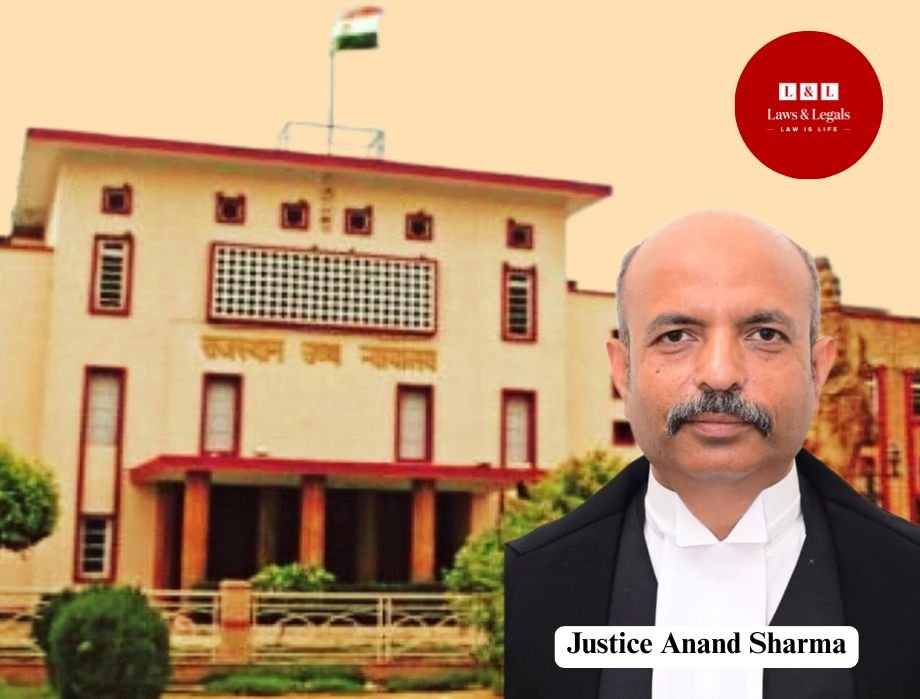
The bench of Justice Anand Sharma found that the State’s main allegation was factually incorrect. The Court noted that Madan Lal’s school records showed his date of birth as 31 October 1941, making him around 19 years old when the mutation was entered in 1961.
The Court also held that the State failed to produce any evidence that Madan Lal’s father had influenced the mutation proceedings. It observed that merely being a Patwari does not automatically prove misuse of office or fraud.
The High Court further held that Madan Lal had acquired khatedari rights automatically under Section 15 of the Rajasthan Tenancy Act, 1955, as the revenue records already showed him as a tenant before the Act came into force.
The Court also criticised the State for trying to place additional documents on record after the judgment had been reserved, calling it “nothing but a sheer attempt to interfere in the process of dispensation of justice.”
Accordingly, the High Court dismissed the State’s writ petition and upheld the orders restoring Madan Lal’s land rights.