




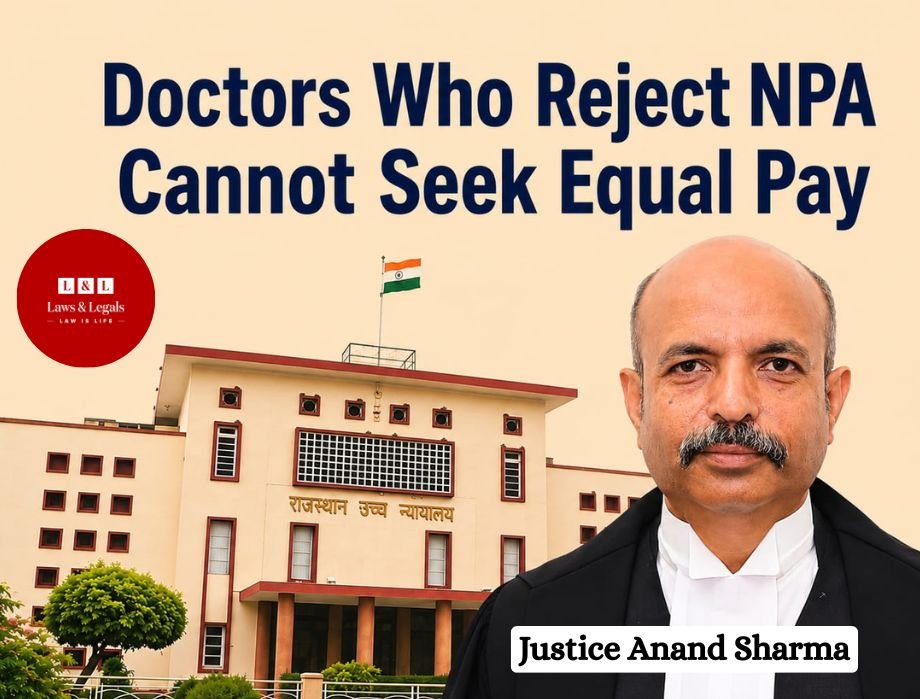
Jaipur: The Rajasthan High Court has ruled in favor of the Rajasthan Government in a long-running dispute over Non-Practicing Allowance (NPA) and salary fixation for government doctors.
The Court held that doctors who voluntarily chose not to receive NPA and continued to retain the option of private medical practice cannot claim the same salary benefits as doctors who accepted NPA and gave up private practice.
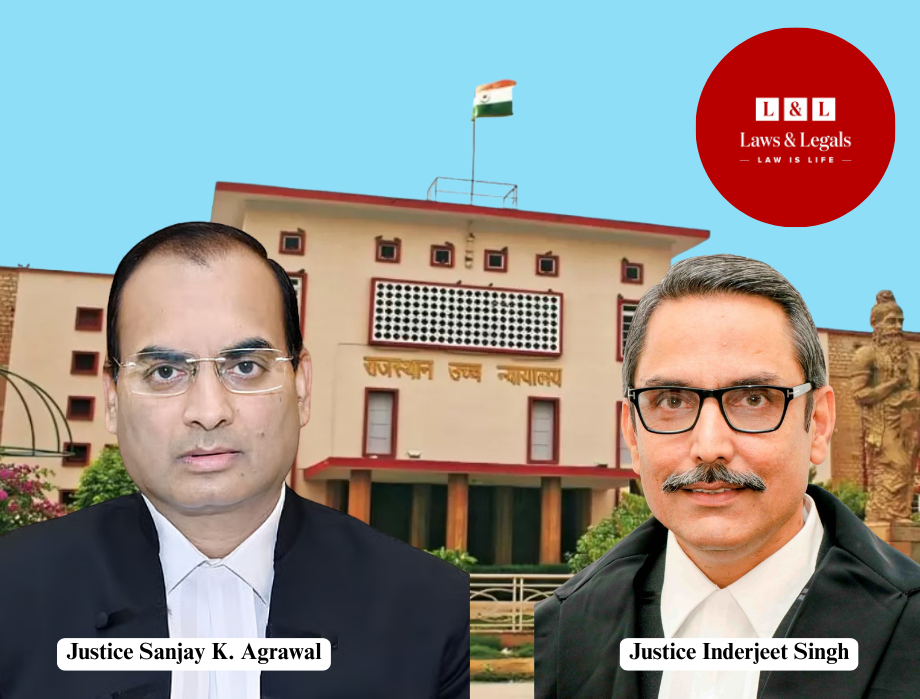
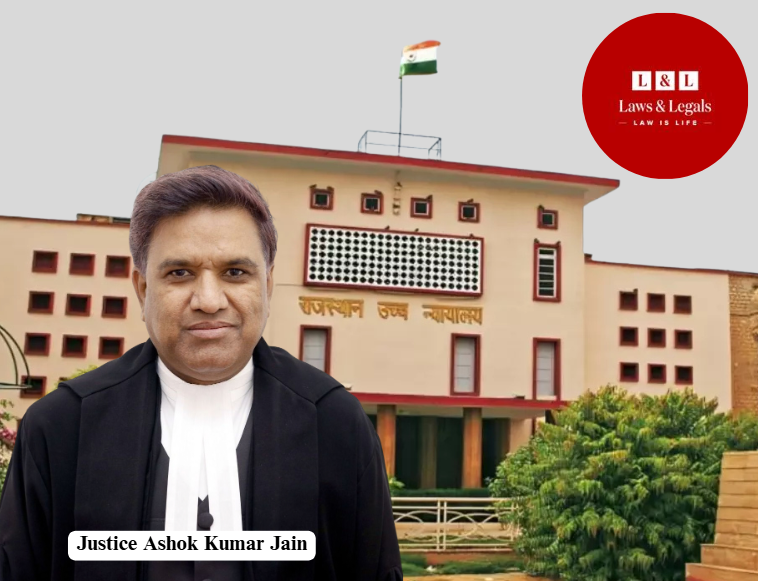
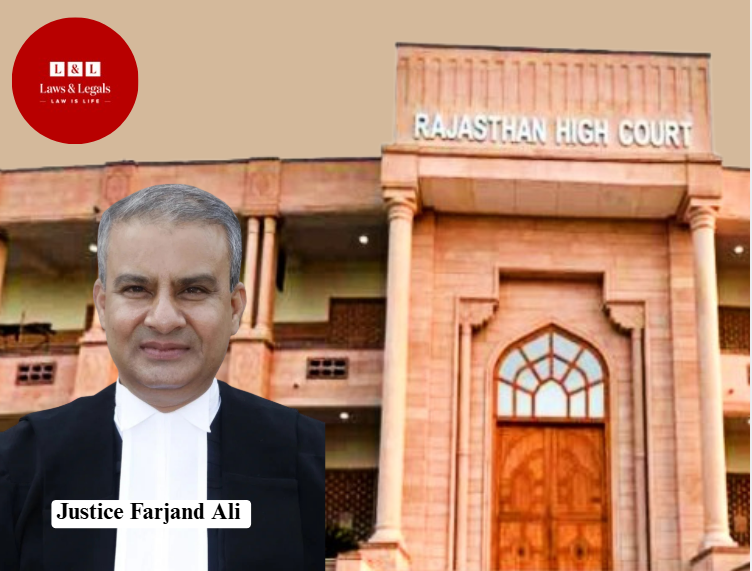
Justice Anand Sharma’s bench decided more than 30 connected cases together, set aside the orders of the Rajasthan Civil Services Appellate Tribunal, and dismissed the doctors’ demands for salary parity, salary stepping-up, revised pay benefits, and arrears.
The dispute arose after the implementation of the Rajasthan Civil Services (Revised Pay Scales) Rules, 2017, based on the recommendations of the 7th Pay Commission. Under these rules, doctors receiving NPA were given a special salary fixation formula. As a result, some junior doctors who opted for NPA began receiving higher salaries than certain senior doctors who had not opted for it.
The senior doctors argued that this created an unfair pay anomaly because juniors should not earn more than their seniors. They sought an increase in their salaries to match those of their juniors and requested related financial benefits.
The State Government argued that NPA is entirely optional. Doctors who choose NPA must give up private medical practice and submit declarations confirming that they are not engaged in private practice. In contrast, doctors who do not opt for NPA are free to earn additional income through private practice.
Therefore, the government maintained that the two groups are not similarly placed and cannot be treated equally for salary purposes.
The High Court accepted the government’s argument and observed that doctors receiving NPA and those not receiving it are governed by different service conditions.
The Court stated that a doctor who gives up private practice in exchange for NPA cannot be directly compared with a doctor who continues to have the opportunity to earn from private practice.
The Court also rejected the argument that NPA is merely an allowance that should not affect salary fixation. It held that the service rules specifically provide a separate salary fixation mechanism for doctors receiving NPA and that the government is legally entitled to grant such benefits.
The High Court further found that the Tribunal had wrongly interpreted the rules and had granted relief based on notions of equality rather than the actual legal provisions.
According to the Court, the salary difference was not the result of discrimination or arbitrariness but was a lawful consequence of the different choices made by doctors under the service rules.
As a result, the Court quashed the Tribunal’s orders and dismissed all claims seeking salary parity with junior doctors, stepping-up of pay, and NPA-related benefits. The judgment is expected to serve as an important precedent in future disputes concerning NPA and salary fixation in Rajasthan’s medical and health services.