




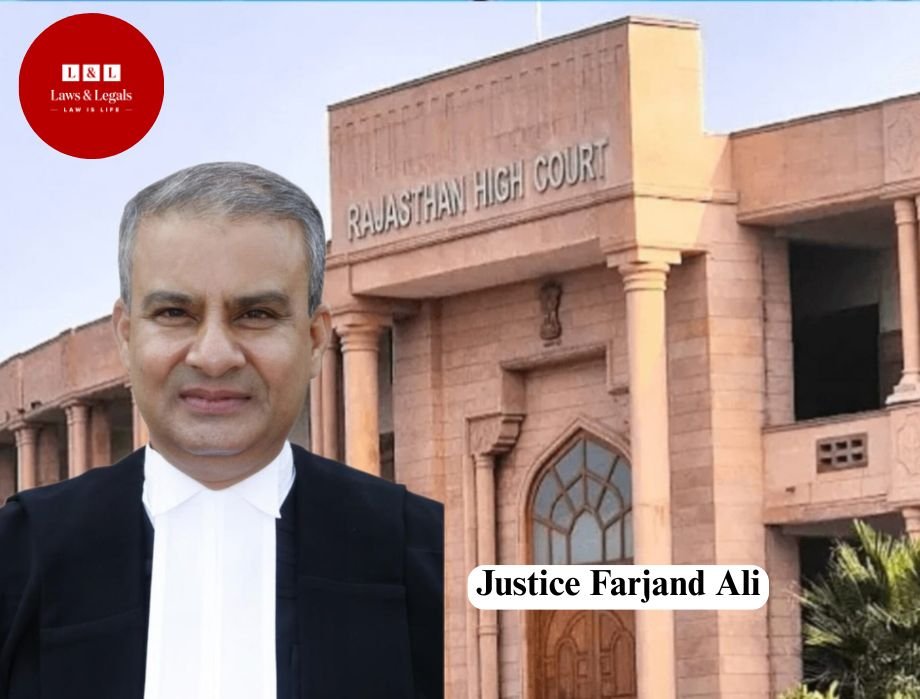
Jodhpur: The Rajasthan High Court has delivered an important ruling on what happens when the sole plaintiff in a civil suit dies before the case is decided.
The Court held that if the only plaintiff in a suit dies and their legal heirs are not brought on record within the time prescribed by law, the suit automatically abates. In such a situation, any judgment or decree passed afterwards is void in the eyes of law. As a result, any execution proceedings started to enforce that decree are also invalid.
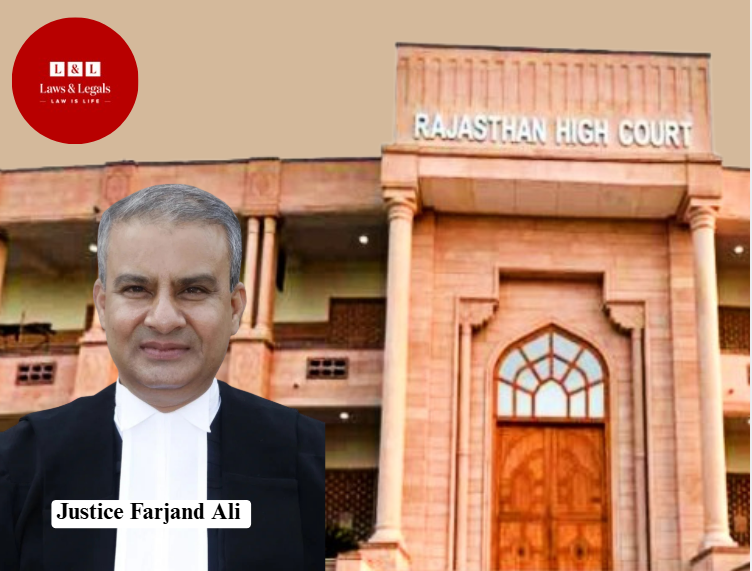
The judgment was delivered by Justice Farjand Ali while hearing an appeal filed by Kalu Ram from Pali district. The High Court set aside the trial court’s judgment and decree dated April 30, 2025, as well as the execution proceedings initiated on the basis of that decree.
The case arose from a civil suit filed by Lala Ram, who died on May 26, 2023. After his death, no application was filed within the prescribed time under Order XXII Rule 3 of the Code of Civil Procedure (CPC) to substitute his legal representatives on record.
Nor was any application filed to condone the delay or to set aside the abatement. Despite this, the trial court proceeded with the case and passed a judgment nearly two years later in the name of the deceased plaintiff.
Before the High Court, the appellant argued that once Lala Ram died and no legal heirs were substituted within the prescribed period, the suit had automatically abated. Since no application was filed to revive the suit, the trial court had no jurisdiction to continue the proceedings or pass a decree.
The appellant further contended that the execution proceedings initiated on the basis of such a decree were also illegal because they rested on a decree that had no legal validity.
The respondents opposed the appeal but admitted that Lala Ram had died before the trial court delivered its judgment. They also did not dispute that no application had been filed to substitute the legal representatives, condone the delay, or set aside the abatement. It was also admitted that the trial court had never formally brought the legal heirs on record.
Agreeing with the appellant, the High Court explained that under Order XXII CPC, the death of a sole plaintiff leads to automatic abatement of the suit if legal representatives are not substituted within the prescribed period. The Court clarified that this happens by operation of law, and no separate judicial order declaring the suit abated is required.
The Court further held that legal heirs do not automatically become parties to the case merely because they are the deceased person’s successors. They must first be formally substituted by a court order. Until that happens, the court cannot continue the proceedings or pass a valid decree in their favour.
Since the trial court passed the decree after the suit had already abated, the High Court held that the decree was a nullity and created no legal rights. Consequently, the execution proceedings initiated to enforce that decree were also declared invalid because a void decree cannot be executed. While allowing the appeal, the High Court quashed both the trial court’s decree and the execution proceedings.
However, it clarified that the deceased plaintiff’s legal heirs are free to avail the remedies available under law, including filing appropriate applications under Order XXII CPC to seek substitution and revival of the suit, subject to the applicable legal requirements.