



Jodhpur: The Rajasthan High Court has delivered an important ruling on the importance of documentary evidence in cheque bounce cases.
The court held that if a complainant completely denies both the signatures and handwriting on a disputed document, they cannot later claim that the document is unrelated to the transaction in question without first establishing the truth through proper examination.
The case arose from a cheque bounce dispute between Jodhpur residents Virendra Singh and Vikram Singh. Virendra Singh had filed a complaint under Section 138 of the Negotiable Instruments Act, alleging that he had lent ₹10 lakh to Vikram Singh.
According to the complaint, Vikram issued a cheque dated December 25, 2016, towards repayment of the loan, but the cheque was dishonoured due to insufficient funds.
During the trial, Vikram Singh produced a document marked as Exhibit D01A, claiming it was a receipt connected to the same ₹10 lakh transaction that formed the basis of the cheque bounce case.
He argued that the document was crucial to his defence and sought its examination by the Forensic Science Laboratory (FSL) to verify the signatures and handwriting on it.
The controversy arose when Virendra Singh completely denied the document, stating that neither the signatures nor the handwriting on the receipt belonged to him.
Based on this denial, Vikram Singh requested that the document be sent for forensic examination and compared with Virendra Singh’s admitted signatures and handwriting available on record.
However, the trial court rejected the request, observing that examination of the document would not significantly affect the outcome of the case.
Challenging this order, Vikram Singh approached the Rajasthan High Court.
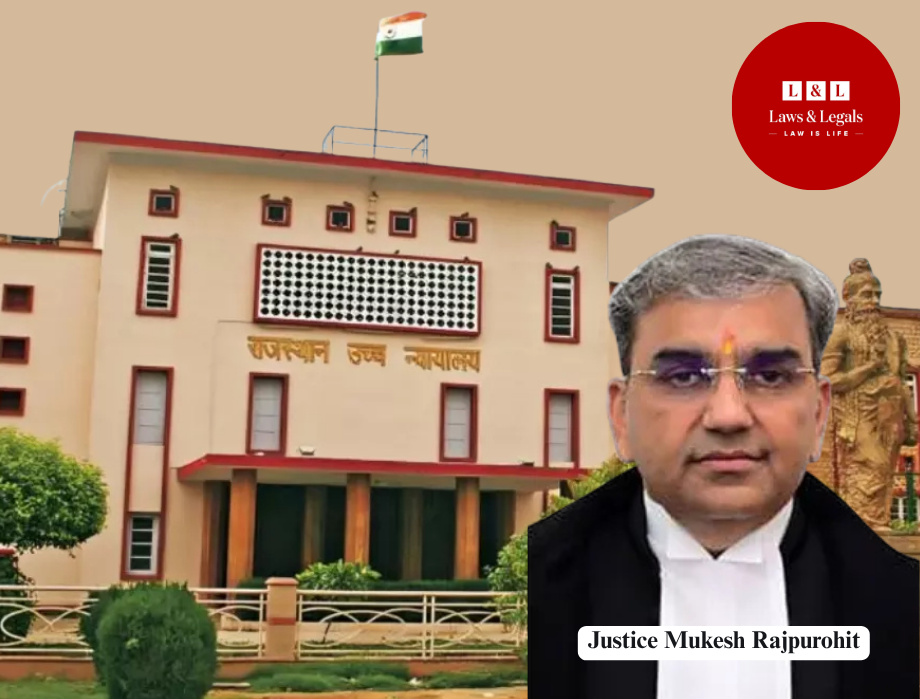
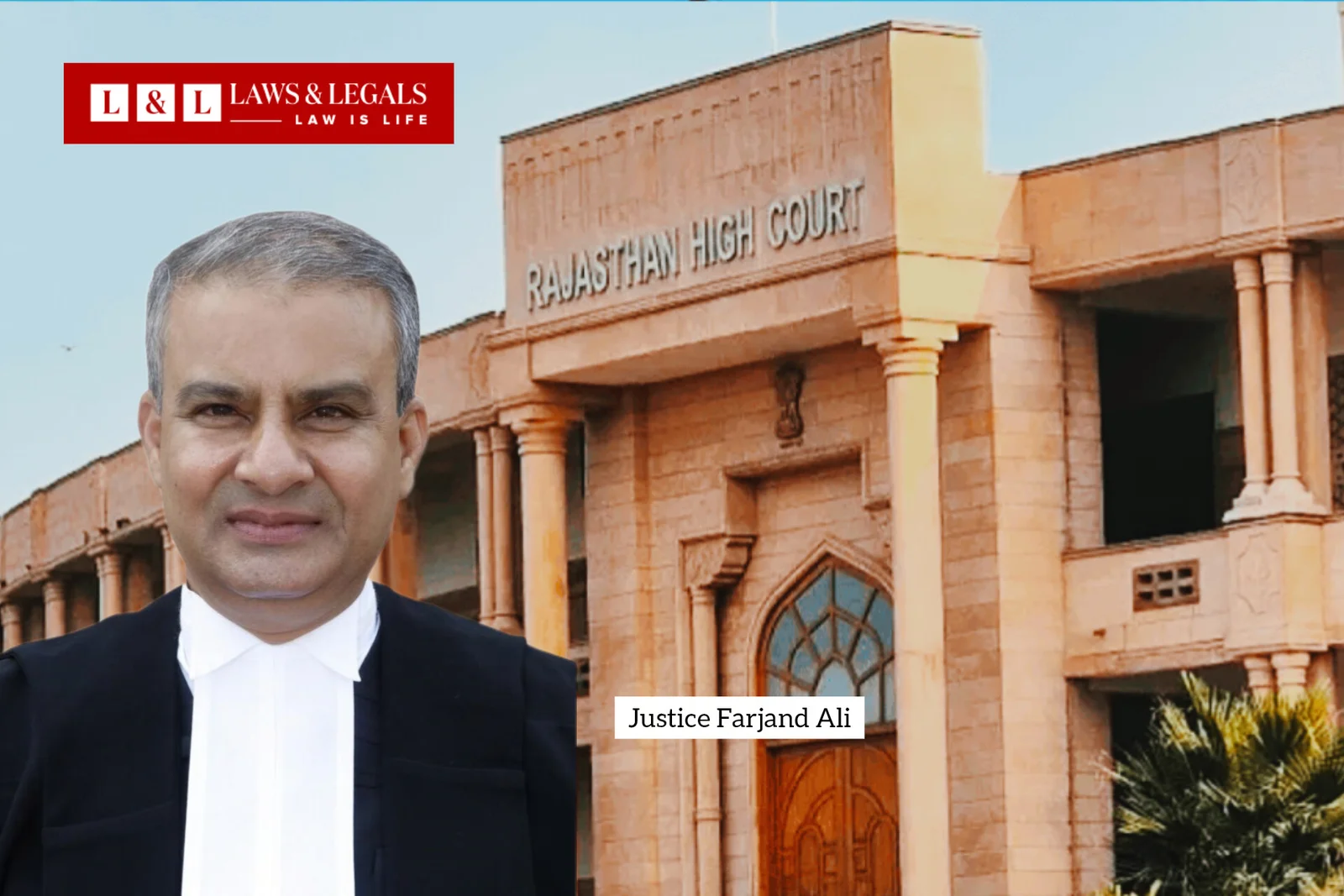
Justice Farjand Ali found that the trial court had rejected the application on assumptions rather than sound legal reasoning. The High Court observed that when an accused relies on a document as part of his defence and its authenticity is disputed, scientific examination may be necessary to ensure a fair trial.
The court emphasized that it would be improper to assume beforehand that an expert report would have no impact on the final decision.
The High Court made a particularly significant observation regarding the complainant’s stand. It noted that if Virendra Singh had admitted that the signatures and handwriting were his but argued that the document related to a different transaction, the situation would have been different.
However, since he completely denied both the signatures and the handwriting, the authenticity of the document became a matter that required scientific verification.
The court stated that a party cannot entirely disown a document and later argue that it has no connection with the disputed transaction.
Consequently, the High Court set aside the trial court’s order and directed that Exhibit D01A be sent to the FSL for examination. It also instructed the trial court to identify undisputed documents containing the complainant’s admitted signatures and handwriting for comparison.
The forensic experts will determine whether the disputed signatures and handwriting belong to the complainant.
The High Court further ordered that proceedings before the trial court remain stayed until the FSL report is received.
The judgment is significant because it reinforces the importance of forensic and scientific evidence in cheque bounce and other document-based disputes. It makes clear that courts should not refuse forensic examination merely on assumptions and that expert analysis may be crucial when the authenticity of a document is central to the dispute.
The ruling is expected to serve as an important precedent in future cases involving disputed documents and cheque bounce litigation.