





Jaipur: The Rajasthan High Court has delivered an important judgment in a high-profile illegal kidney transplant and human trafficking case by granting bail to two Bangladeshi nationals. The court made a significant constitutional observation, saying that Article 21 of the Indian Constitution — which guarantees the right to life and personal liberty — is not limited to Indian citizens alone and also protects foreign nationals.
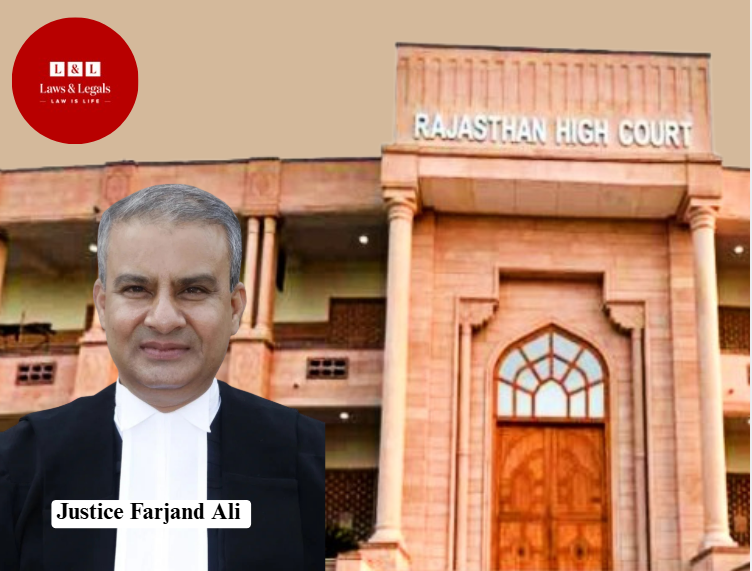
Justice Anoop Kumar Dhand passed the order while hearing bail pleas filed by Bangladeshi citizens Nurul Islam and M.D. Ahsanul Kabir. Both were arrested in connection with FIR No. 319/2024 registered at Jawahar Circle Police Station in Jaipur. They were accused under sections related to cheating, forgery, conspiracy, illegal kidney transplantation, and human trafficking.
The petitioners told the court that they had become “approvers” in the case, meaning they cooperated with investigators and provided statements that helped police arrest the main accused persons. Their lawyers argued that although the alleged masterminds of the racket had already been granted regular bail, the two petitioners continued to remain in jail only because they had turned approvers.
The State Government opposed the bail plea and argued that under Section 306(4) of the Criminal Procedure Code, an approver must remain in custody until the trial is completed. The government also argued that both men were Bangladeshi citizens who had entered India on medical visas, which had now expired. Authorities expressed concern that if released, they might leave India and never return for trial.
However, the High Court rejected the state’s argument. The court said that keeping the approvers in jail indefinitely while the main accused were already out on bail would place them in an even worse position than the principal accused. Justice Dhand observed that the purpose of keeping an approver in custody is mainly to ensure recording of statements, and once those statements are recorded, the court must reconsider continued detention.
The court noted that both petitioners had already recorded their statements before the trial court as prosecution witnesses PW-1 and PW-2. It also observed that they had remained in judicial custody since April 23, 2024 and that the trial was moving very slowly with many witnesses still left to testify.
In a major constitutional observation, the High Court said that the “Right to Life with Dignity” under Article 21 applies to every human being, including foreign nationals. The court stressed that foreigners are also entitled to fair procedure, personal liberty, and a speedy trial.
Justice Dhand referred to important Supreme Court rulings including Sunil Batra v. Delhi Administration and K. S. Puttaswamy v. Union of India to underline that personal liberty cannot be taken away without fair and reasonable procedure established by law.
The court also criticized the slow pace of the trial, describing it as moving at a “snail’s pace,” and directed the trial court to ensure speedy proceedings without unnecessary delays.
Finally, the Rajasthan High Court granted bail to both accused on personal bonds of ₹5 lakh each along with two sureties of ₹2.5 lakh each. The court also directed that the order be communicated to state authorities, police, and immigration officials.